
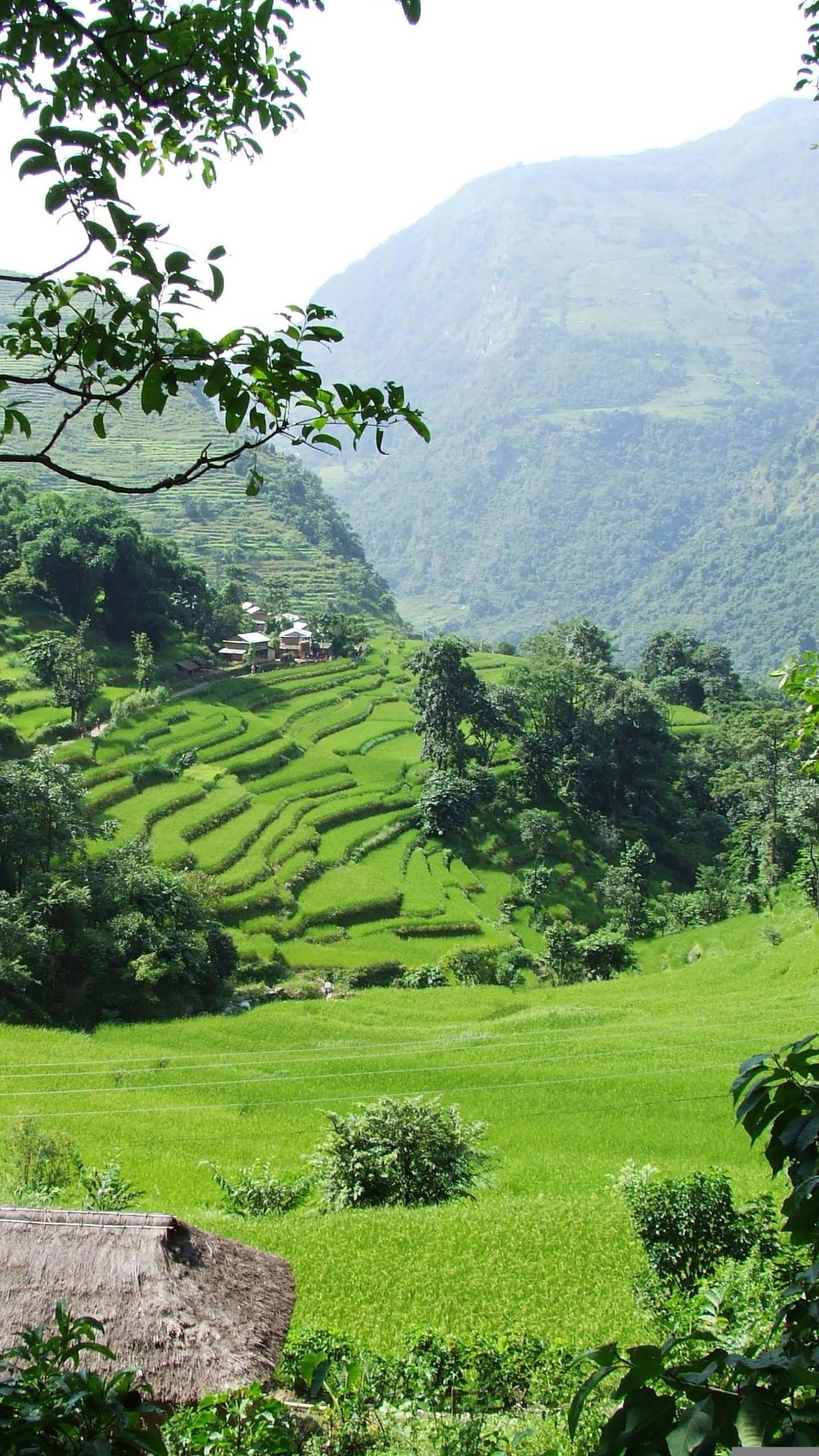
Photo : Mercel | Pixabay
IoF International Conference
Forestry plays a crucial role in maintaining the planet’s ecological balance, enhancing biodiversity conservation, increasing carbon stocks, and the provisioning of ecosystem services. However, the growing demand for natural resources due to population growth and pressures for economic development is putting forests at risk of degradation and deforestation. It is therefore essential to adopt an appropriate approach that integrates conservation efforts with sustainable development practices to secure the future of forestry. This does not mean only protecting forest ecosystems but also ensuring the extraction of forest resources to maintain their regenerative capacities. Effective policies and management strategies must balance the ecological integrity of forests with the economic needs of local communities and the country.
In addition, it is also essential to consider that forestry activities contribute to the well-being of human populations. This requires an inclusive approach that considers the social dimensions of forestry, including the rights and concerns of indigenous peoples and local communities. Participatory governance, equitable resource sharing, and the promotion of alternative livelihoods are key to ensuring that forestry practices uplift the livelihoods of forest-dependent communities and promote social equity. Therefore, forestry can serve as a model for sustainable resource management by aligning conservation goals with human development objectives that meet the needs of both present and future generations.
In this context, the Institute of Forestry, Tribhuvan University - a leading institution of excellence in forestry education, research, and sustainable natural resources management in Nepal - is organizing an international conference to share knowledge generated by its graduates, faculties, alumni, partners, and experts. The conference is going to be organized on the occasion of the IoF Day, i.e., 29 to 31 Shrawan, 2083 (14 to 16 August, 2026).
Conference Location and Important Dates



Update: First round of confirmation has been sent. We may contact you in a few days if you did not get an email from us.

Update: We will send you the presentation template via email with a submission deadline of about a week. Thank you for your patience.
Themes
Guideline for Abstract Submission
Use the online form available in the ‘Submit Your Abstract’ section of the website. Please make sure that the included details are correct. The organizers will not be responsible for any typos or errors made during the submission.
Conference Highlights
Registration is FREE !!
Presentations from more than 250 participants.
Accommodation facility for international and distant guests.
Local transportation facility (within Kathmandu) available.
IoF Alumni Meet.
And, a Heritage Tour of Kathmandu Valley.
Conference starts in
Countdown Timer Expired